
A journey from the old Parsi mansions of Bombay to Shrisiddhpuram, Kumbhalgarh.
Shared with the Folklorei Journal by Shrisiddhpuram, Kumbhalgarh, a heritage boutique hotel in the Aravalli hills of Rajasthan, built from architectural pieces 100 to 700 years old gathered from across India. Here its owner tells the story of one collection in their own words.
There are some things you come across in life that make you stop and look twice. Sometimes, you don’t know their complete story when you first see them. But something about them tells you that they deserve to be saved.
This is one such story.
I would like to take you back to a visit I made to Bombay (now Mumbai) some years ago.
During that visit, I happened to walk into a scrap dealer’s warehouse. Among the many things lying there, I noticed a large collection of beautiful old sculptures and decorative figures. They were not ordinary pieces. The more I looked at them, the more I wanted to know where they had come from.
I was told that these figures were associated with old Parsi mansions in Bombay. Some of those homes were around 100 to 150 years old. They had once been built with great care, and their decorative details were a reflection of the taste and artistic sensibilities of the people who lived there.
I stood there looking at these pieces and wondered how something that had once been part of such beautiful homes had ended up in a scrap dealer’s warehouse.
A little about where these figures came from
The Parsi community has its roots in Persia, present-day Iran. Over generations, Parsis made India their home and became an important part of its history, particularly in Bombay.
Their homes had their own character. Some featured beautiful architectural details, decorative sculptures and figures that reflected artistic influences different from those commonly seen in traditional Indian homes.
The figures I had come across were part of this world.
As Bombay changed, many old properties gradually disappeared. Families moved, buildings changed hands and some old mansions eventually gave way to modern commercial developments.
And somewhere along the way, objects that had once been carefully chosen for these homes were left behind.
I decided to bring them home
When I saw the collection in that warehouse, I knew I did not want to leave it there.
I asked the dealer about the entire collection. He quoted his price, and I decided to buy the pieces without negotiating.
For me, it was not about buying old sculptures at a good price. I was looking at a part of history that deserved to be preserved.
Many of the pieces were not in good condition. Some were broken, some were incomplete, and a few were missing their hands or feet. They had clearly been through a lot before reaching that place.
But I felt that their condition should not decide whether they deserved to be saved.
I brought the collection back with me, with the thought that these pieces should have a place where people could see them, appreciate them and perhaps understand a little more about the history behind them.
Every piece has something to tell
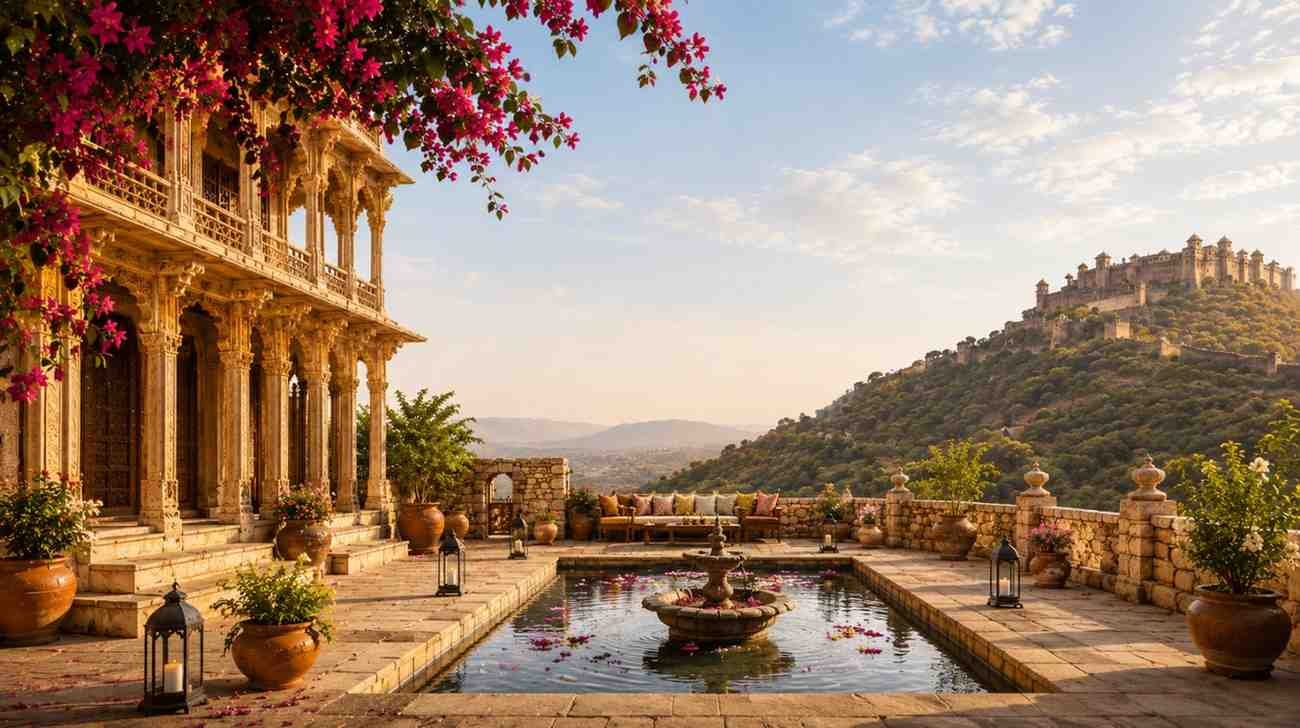
Today, these sculptures are part of the collection at Shrisiddhpuram in Kumbhalgarh, Rajasthan.
When people visit and look at them, they often want to know what they are, where they came from and why they look so different from the figures they are familiar with.
And that is exactly what makes them interesting.
I look at these pieces and think about the homes they once belonged to. Someone must have chosen them, placed them carefully and lived with them for years. They must have been part of a home filled with people, conversations and memories.
Today, those homes may no longer exist in the same way, but some of their stories remain with these objects.
An old object does not have to be perfect to be valuable. A broken sculpture can still tell us something about the time it came from.
I also believe that an incomplete piece can still have a history worth knowing. That is why I wanted to preserve the collection rather than let it disappear.
There is much more to discover at Shrisiddhpuram
The Parsi sculptures are just one part of what makes Shrisiddhpuram special to me. There are many objects here, and behind them are stories that I would love for people to discover.
I always feel that the best way to understand a collection is not simply to look at it, but to ask questions about it.
Where did it come from? Who made it? What was its purpose? How did it travel from one place to another?
These are the things that make a visit memorable.
So, if you happen to visit Rajasthan and find yourself around Kumbhalgarh, I would be happy to welcome you to Shrisiddhpuram. Take a little time to look around, explore the collection and ask about the stories behind the objects.
You may find yourself looking at something you have never seen before.
And perhaps, like me, you will begin to see that sometimes the most interesting pieces of history are the ones we almost lost.
— The Owner, Shrisiddhpuram, Kumbhalgarh
This story is part of the Folklorei Journal, where we bring forward the people, places and personal stories behind India’s heritage and traditions. Like the pieces at Shrisiddhpuram, everything in our collection carries a story — explore the Folklorei collection.